• Skip to main content
  • Skip to secondary menu
  • Skip to footer
  • About
  • SD42
  • MyEd BC
  • Parent Portal

SD42 Learning Services

  • Home
  • LS Departments
    • School Psychology Services
    • Occupational & Physiotherapy Services
      • Occupational Therapy & Physiotherapy Resources for School
      • Occupational Therapy & Physiotherapy Resources for Home
    • Speech & Language Services
    • Hearing & Vision Services
    • LS Helping Teachers
    • Services for Gifted & Talented Learners
    • Hospital Homebound Services
  • Teacher Resources
  • District Programs
    • District Helping Teachers
    • Counselling
    • Work Experience
  • Parent Resources
    • Transition to Kindergarten
    • Transition to Secondary
    • Transition to Adulthood
  • Staff

Student Support and Programming by Topic

Data Tracking

  • ABC Antecedent Behaviour Consequence: Landscape
  • ABC Antecedent Behaviour Consequence: Portrait
  • Scatter Plot: Sample
  • Scatter Plot: Template
  • Preschool Observation
  • Weekly Tracking of Targeted Behaviours

Complex Behaviours

  • Universal Protocols
    • TBD
  • Iceberg Visual Organizer: Template
  • Trauma Informed Practice
    • Learning Series: Stress, Trauma, and the Brain: Insights for Educators by Doctor Bruce Perry
      • Neurosequential Model (7:03)
      • How Stress Impacts the Brain (5:40)
      • The Power of Connection (7:03)
      • Reframing Classroom Discipline (7:09)
    • Teaching the Hurt Child by Andrea Chatwin: Relationships Between Trauma, Attachment and Learning (guide)
    • Teaching The Hurt Child Case Study Workshop Template (Andrea Chatwin)
    • Teaching the Hurt Child Three Step Response (Andrea Chatwin)
      • Three Step Response (A Child’s Song version)
      • Three Step Response (double sided summary)
      • Three Step Response (single sided summary)
      • Three Step Response Sample Language
      • Three Step Response Scenario Practice for Staff
      • Trauma Informed Lanyard with scripts for EAs
  • Autism and PDA
    • Autism
      • POPARD printable resources and templates
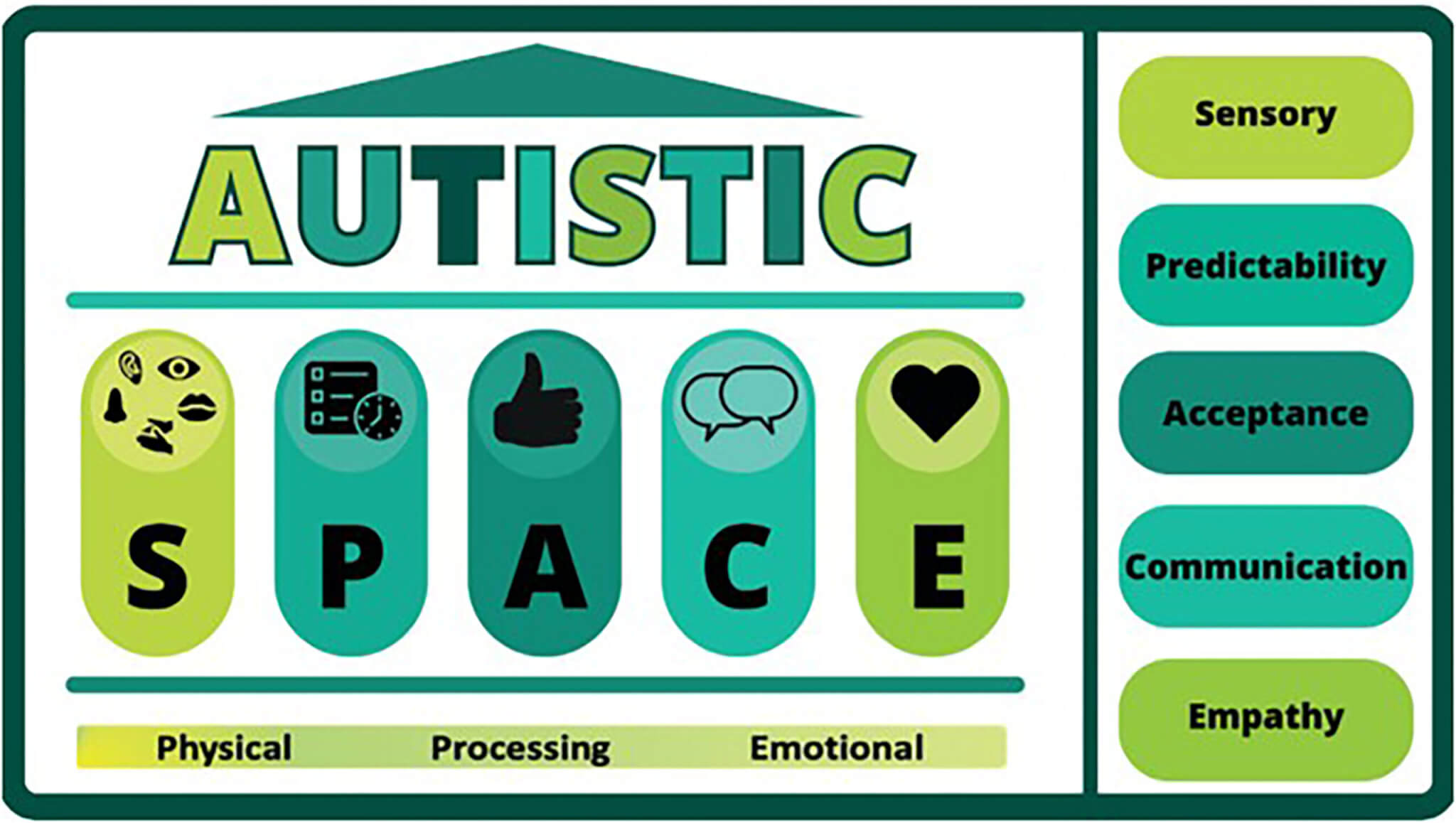
      • Autistic SPACE framework
    • Pathological Demand Avoidance (PDA)
      • The Educator’s Experience of Pathological Demand Avoidance: An Illustrated Guide to Pathological Demand Avoidance and Learning by Laura Kerbey (Book)
      • Positive PDA Resource Booklet
      • PDA Overview (one page)
      • PDA Comparison with ODD (one page)
      • PDA Strategies and Approaches for Educators
      • Guidelines for working with students with PDA
      • Using non-directive prompting
      • Spark Resources
  • FASD
    • LEIC Planning Tool (Learner, Environment, Instruction, Curriculum)
    • FASD-Informed Teaching (FIT) Framework
    • Comparing FASD, ADHD, and ODD (video)
    • Eight Magic Keys
    • Continuum of Support (Environment)
    • Educator Handout
    • Supporting Students with FASD
    • FASD Teaching Framework
    • Brain-based Programming Web

Programming

  • Positive Behaviour Support Plan: Guide
  • Positive Behaviour Support Plan: Template
  • Behaviour Support Profile
  • Elopement Plan
    • Elopement Plan Guide
    • Elopement Plan Sample
    • Elopement Plan Template
    • Elopement Plan Supports
  • Programming Planning
    • Daily Schedule Template with Programming Notes
    • Student Programming Sample
    • Student Weekly Schedule Sample
    • Reinforcer Checklist
  • Visuals
    • Visual Start Up Kit
    • Individual Visual Schedule
    • UDL Stacked Lanyard Visuals
    • Class Wide Door Visuals
    • Routine Strips
  • Curriculum Guides (available in LS library)
    • Eden (Cognitive, Self-Care, Speech)
    • HELP (Hawaiian Early Learning Profile)
  • Social Thinking Theory
    Here are a couple of articles to get you started with using Social Thinking theory.  Please refer to the Social Thinking website for further resources, information, and more.
    • Are You Teaching Deeply, or Redirecting Behaviour?  Using the Social Thinking Vocabulary Terms Expected and Unexpected
    • It’s Not About Appropriate vs. Inappropriate!  Teaching Expected & Unexpected Behaviours the Right Way
    • Are you Teaching Expected and Unexpected the Wrong Way?
    • Social Perspective Taking & The 5 Steps of Being with Others
  • Perspective Taking
    Many of these materials have been adapted from Social Thinking theory and methodology:
    • Other People have Thoughts about Me
    • Problem Scale
    • Social Behaviour Mapping with numbers
  • Social Thinking Curriculum
    Adapted or taken from or can be used with We Thinkers, Superflex, Think Social (Big Red Book)
    • Bringing it into the classroom – a list of resources, likely already in your school library, to use as resources to teach Social Thinking
    • Visual – Size of the Problem
    • Superflex and the Five Step Power Plan
      Think Social (big red book)
       
  • SPARK Resources
    • School Psychologist Resources: Academic Supports

Footer

Learning Services
23000-116th Avenue
Maple Ridge, BC V2X 0T8
Tel. 604.467.1101
Fax. 604.467.7079
LS Reception: ls_reception@sd42.ca

Copyright © 2026 · Magazine Pro on Genesis Framework · WordPress · Log in